Health & Wellness
Negative ORP in Water: What the Reading Really Means
For your understanding.
This article is for general education and is not medical advice. It does not replace an individual assessment or guidance from a qualified healthcare professional.
A negative oxidation-reduction potential, or ORP, describes an electrical measurement in a water sample. It does not show that drinking the water will reduce inflammation, reverse aging or improve hydration. Understanding that distinction makes it easier to evaluate water bottles, ionizers and claims about “antioxidant water.”
What does negative ORP mean?
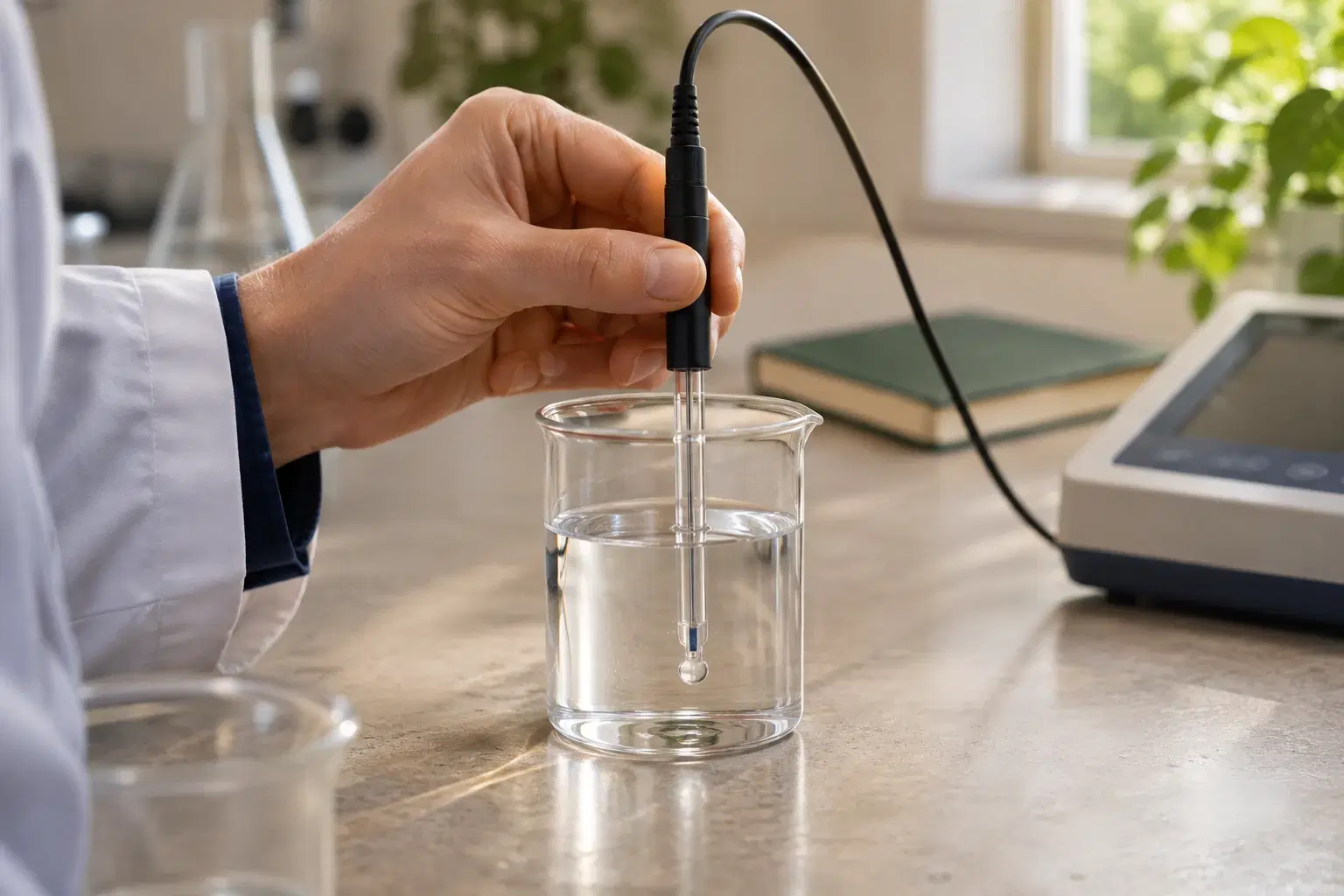
ORP describes oxidizing or reducing conditions measured by an electrode relative to a reference electrode. The result is usually displayed in millivolts, abbreviated mV. A negative value indicates a more reducing reading relative to that reference under the conditions of the measurement. It is not a count of antioxidants or a direct measurement inside the human body.
The EPA field-measurement procedure treats ORP as a water-characterization measurement. The electrode, sample conditions and measurement procedure matter. Comparing numbers from different demonstrations without those details can be misleading.
ORP, pH and dissolved hydrogen answer different questions
pH describes acidity or alkalinity. ORP describes an electrochemical potential. Dissolved molecular hydrogen describes how much H2 is present in the water. A product can advertise all three, but one number does not establish the other two or a clinical effect.
For example, a low ORP display is not, by itself, a validated measurement of a bottle’s dissolved-hydrogen concentration. Ask how that concentration was tested, when the sample was measured and whether the result applies to water at the time it is consumed. A specification should identify the measurement method rather than substitute an impressive-looking meter reading.
Is positive-ORP tap water harmful?
A positive reading does not mean that a glass of tap water will damage cells. Drinking-water safety depends on microbiological and chemical quality, treatment, and local advisories. An ORP meter does not replace those checks.
The CDC explains why utilities use chlorine or chloramine: small permitted amounts help control germs while water travels through pipes. The presence of a disinfectant is not evidence that normal tap water causes inflammation. Follow local water-quality guidance rather than trying to select drinking water using an ORP target.
What would demonstrate a health benefit?
A health claim needs research in people using a defined intervention and measuring a meaningful outcome. A change in a water sample is several steps away from that evidence. Claims about smaller water clusters, cellular repair or slowing aging cannot be established from a negative ORP value.
For the separate question of hydrogen-water research, see what human studies have tested. Keep the measurement question and the clinical question separate when comparing products.
Questions to ask before choosing a water product
- What does the displayed number measure, and which instrument and reference were used?
- Is there independent testing for drinking-water quality and the specific performance claim?
- Are hydrogen concentration, pH and ORP reported separately?
- Does the health claim cite a human trial of a comparable intervention, or only a demonstration in water?
- What cleaning, replacement and maintenance does the manufacturer require?
A useful specification helps you understand what a device does. It should not turn a water reading into a diagnosis or a promise about your health.
Your next step
Choose your water setup with better questions.
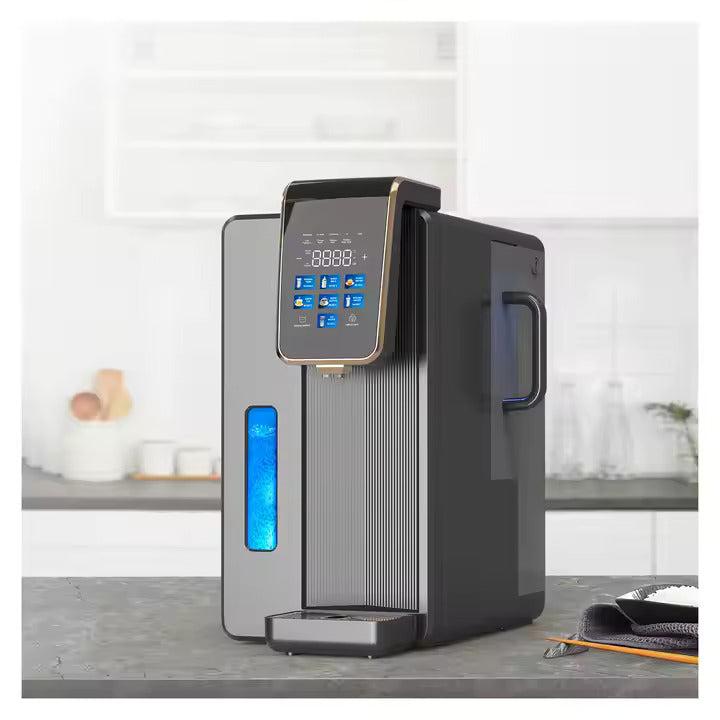
Compare Allura’s water systems by format, filtration features and maintenance needs, with the product details in front of you.
An ORP reading alone does not establish water safety or a health benefit.