Health & Wellness
Hydrogen Water and Exercise: What an Eight-Day Trial Found
For your understanding.
This article is for general education and is not medical advice. It does not replace an individual assessment or guidance from a qualified healthcare professional.
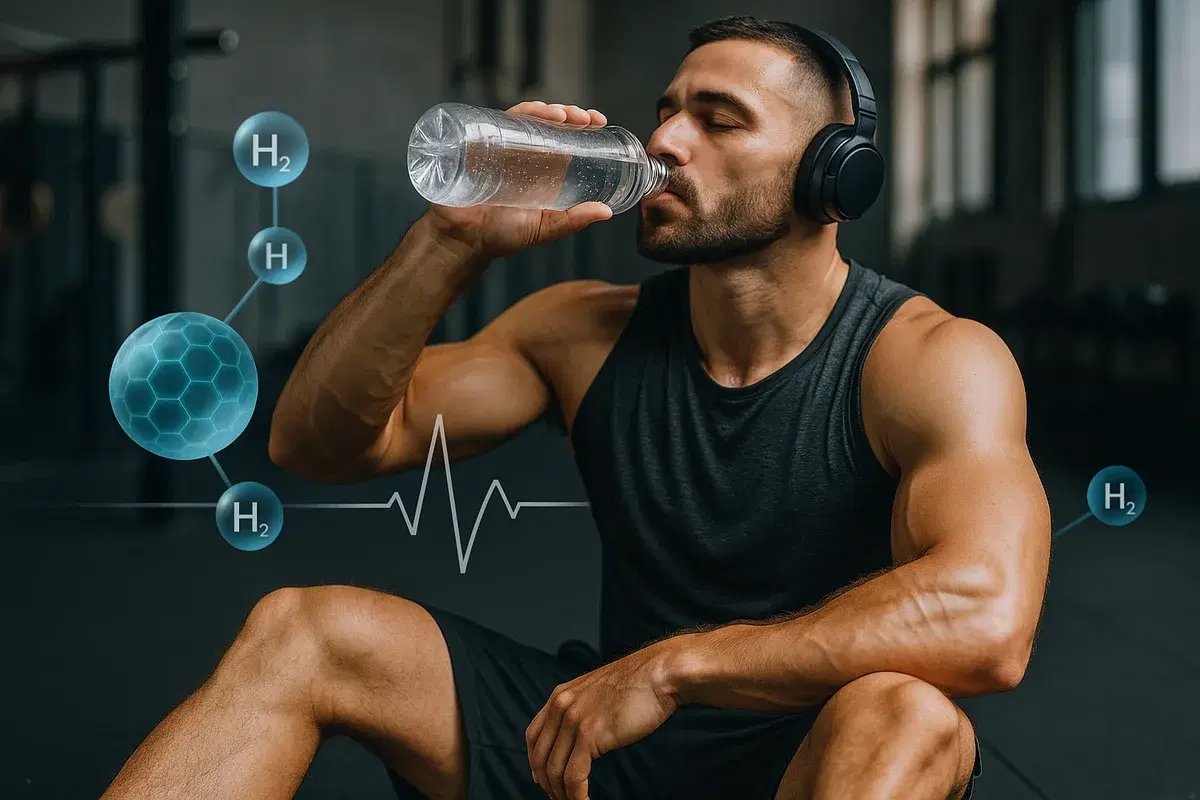
An eight-day hydrogen-water trial reported improvements in some resistance-training performance measures. It did not show better results across all recovery measures. The distinction is important if you have seen this study presented as proof that hydrogen water speeds muscle recovery or eliminates workout fatigue.
Who took part, and what was compared?
The 2024 Frontiers in Physiology study used a randomized, double-blind crossover design in 18 trained young men. Participants completed hydrogen-water and placebo conditions. A crossover design allows comparison within the same people, but the study was still small and short.
The researchers tested specific resistance-exercise outcomes and recovery measurements. This was not a long-term trial of muscle growth, injury prevention or an at-home bottle sold to a general wellness audience.
What improved, and what did not?
The study reported higher repetition performance and selected power outcomes with hydrogen water. However, countermovement-jump performance, perceived recovery and muscle soreness did not show significant benefits. The authors did not demonstrate the broad faster-recovery effect sometimes claimed in promotional summaries.
That combination of positive and null findings is normal in research. It tells us to describe each outcome separately rather than replace the results with a single statement that an intervention “works.” A performance difference during a test is also not automatically a meaningful improvement over months of training.
Why the result cannot become a universal training recommendation
Several questions remain before applying the finding more broadly:
- Would similar results occur in women, older adults, beginners or people with health conditions?
- Would a longer study show changes in strength, muscle size or consistent training capacity?
- Would independent teams reproduce the result using the same protocol?
- Does a particular consumer product deliver an intervention comparable to the one studied?
- Is any observed benefit worthwhile relative to the cost and established elements of a training plan?
These are interpretation questions, not instructions to copy the experimental schedule. A trial protocol is designed to test a hypothesis in a defined group; it is not a personalized exercise or supplement prescription.
What about recovery between sessions?
It is useful to decide what you mean by recovery before choosing a product. Soreness, readiness for the next session, performance and rehabilitation after injury are different outcomes. A claim should specify which one was measured.
Keep a record of the actual issue you want to discuss: unusual fatigue, persistent pain, declining performance or difficulty tolerating a program. A trainer or qualified clinician can help assess the program and the need for medical evaluation. An emerging supplement should not become the explanation for every setback or a substitute for an appropriate recovery plan.
If your focus is body composition during weight loss, the guide to protecting lean mass addresses a different question. The recovery overview helps put a single product claim in the context of everyday habits and follow-up.
How to compare a product claim with the paper
Ask the seller to identify the exact outcome and the tested intervention. “Research-backed” should not mean that an unrelated product borrows the name of a published study. Concentration figures, testimonials and before-and-after stories do not demonstrate the same outcome as a controlled trial.
The eight-day study is a reason for further investigation of selected exercise outcomes. It is not evidence that hydrogen water reliably reduces soreness, accelerates injury healing or improves every athlete’s recovery.
Your next step
Compare hydrogen-water formats with practical questions.
Browse bottle and dispenser options in the Allura Shop, comparing capacity, setup, charging and maintenance details before choosing.
The trial did not validate these products or establish better soreness or perceived recovery. A purchase is optional and does not replace training, sleep or nutrition.
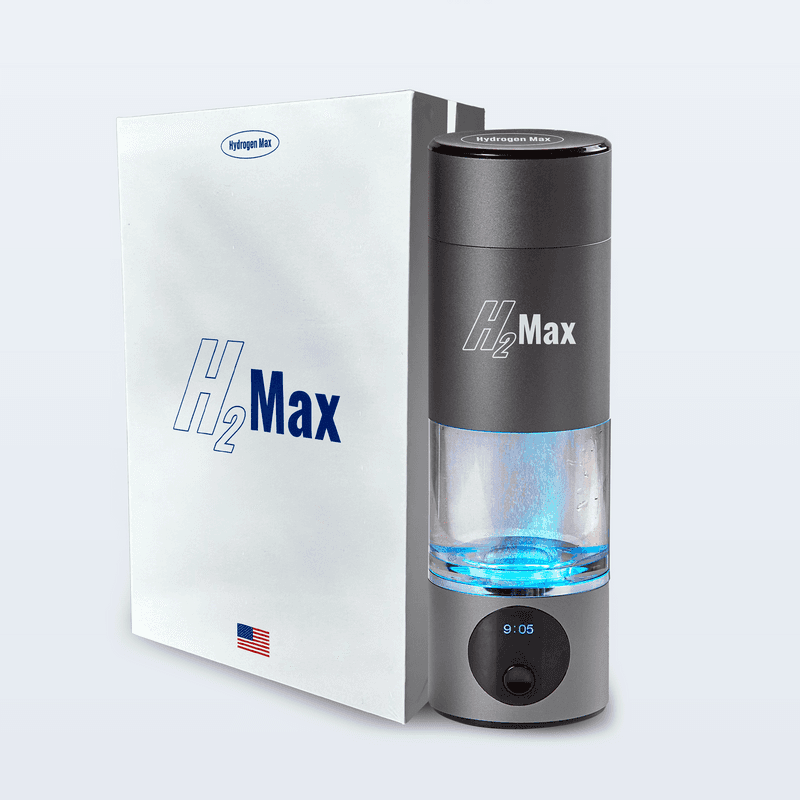
H2Max Hydrogen Water Bottle
A portable, rechargeable bottle format. Compare capacity, charging and cleaning instructions in the Shop.
View product details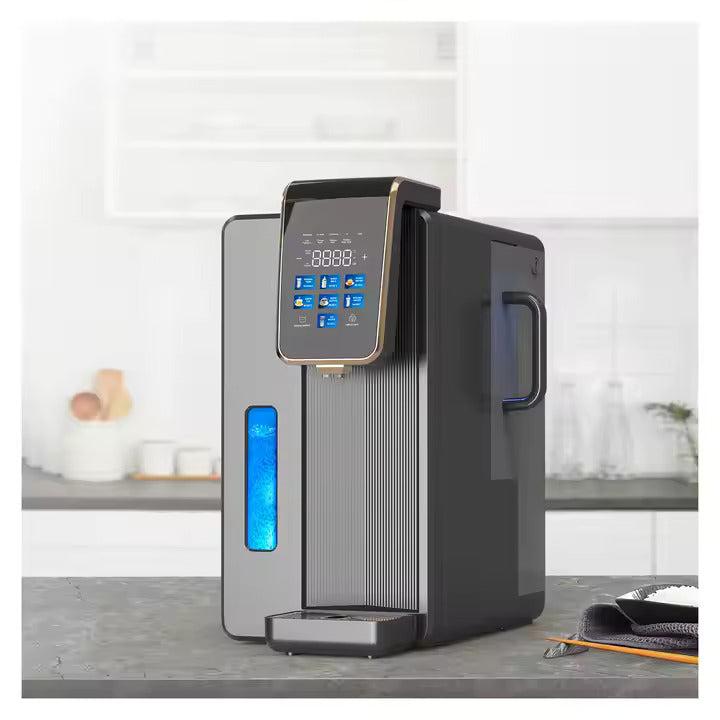
H2Max 7.5L Hot & Cold Water Dispenser
A countertop dispenser with a 7.5L tank and reverse-osmosis filtration. Review installation, power and filter-care requirements.
View product details