Health & Wellness
Workout Recovery: Rest, Sleep and When to Seek Help

For your understanding.
This article is for general education and is not medical advice. It does not replace an individual assessment or guidance from a qualified healthcare professional.
Workout recovery is the time and support that allow you to adapt between exercise sessions. It includes sleep, adequate nourishment and a training schedule that fits your current capacity. Soreness alone does not tell you whether a workout was effective, and a recovery device cannot make an unsuitable training load appropriate.
A useful question is whether you can return to normal activities and planned exercise with a pattern that is stable or improving. Persistent fatigue, falling performance or pain that changes how you move calls for a closer look.
Start with the pattern, not a diagnosis
A hard session, a new movement and an unusually stressful week can all affect how exercise feels. Record what changed: exercise type, intensity, duration, sleep, food intake, illness and symptoms. That context is more useful than labeling every tired day as burnout or overtraining.
The clinical literature distinguishes temporary training-related performance changes from more prolonged problems. A review of overtraining syndrome emphasizes that symptoms are nonspecific and that other medical causes must be considered. Research in athletes does not mean an office worker with fatigue has the same syndrome.
Look at sleep and nourishment together
Set aside enough opportunity for sleep and notice whether you wake feeling restored. NHLBI's sleep guidance describes effects of inadequate sleep on physical health, alertness and emotional functioning. Recovery advice should not obscure possible sleep apnea, persistent insomnia or medication effects.
Eating also needs to support the activity you are doing. Skipping meals or pursuing aggressive weight loss while increasing training can make it harder to meet nutritional needs. The NIA's nutrition guide is a useful starting point for understanding food variety, rather than relying on one powder or a restrictive list.
If appetite is low during medical weight management, discuss that with the treating clinician. Our article on preserving muscle during weight loss explains why strength, intake and body-composition estimates need to be considered together.
Plan the easier parts of the week
A recovery plan should be visible on the calendar. Ask a qualified exercise professional how to space challenging sessions, introduce unfamiliar movements and adapt activity when symptoms arise. Easier activity and complete rest are different options; the appropriate balance depends on the person and the reason for needing recovery.
Relaxation can be one part of this picture. NCCIH describes breathing exercises and other relaxation practices, while also noting that evidence differs by condition. Feeling calmer after a session is not proof of tissue repair or treatment of an injury.
Know when a wellness routine is not enough
Persistent or worsening pain, recurring weakness, substantial exercise intolerance or fatigue that interferes with daily life deserves clinical evaluation. A clinician can consider training history alongside other explanations rather than assuming the cause is inadequate recovery.
Severe symptoms, such as chest pain, fainting or serious difficulty breathing, need urgent medical care. Do not use a sauna, compression device or supplement to delay assessment.
Questions worth bringing to a recovery discussion
- What changed before the symptoms or performance decline began?
- Are we tracking pain, energy and everyday function, or only workout numbers?
- Does my current food intake match my training and medical needs?
- What symptoms should change the plan or trigger clinical evaluation?
- If I try a recovery service, what comfort or practical goal are we assessing, and what does it not treat?
A useful recovery routine makes training more sustainable. Evaluate optional products by their instructions, limitations, comfort and cost after the basics are addressed. An immediate sensation of relaxation and a proven improvement in long-term performance are different outcomes.
Your next step
Explore equipment for your recovery routine.
Compare compression and massage equipment in the Allura Shop, from sizing and features to setup and care instructions.
Equipment is optional; check suitability and instructions before use, especially if you have a medical condition.
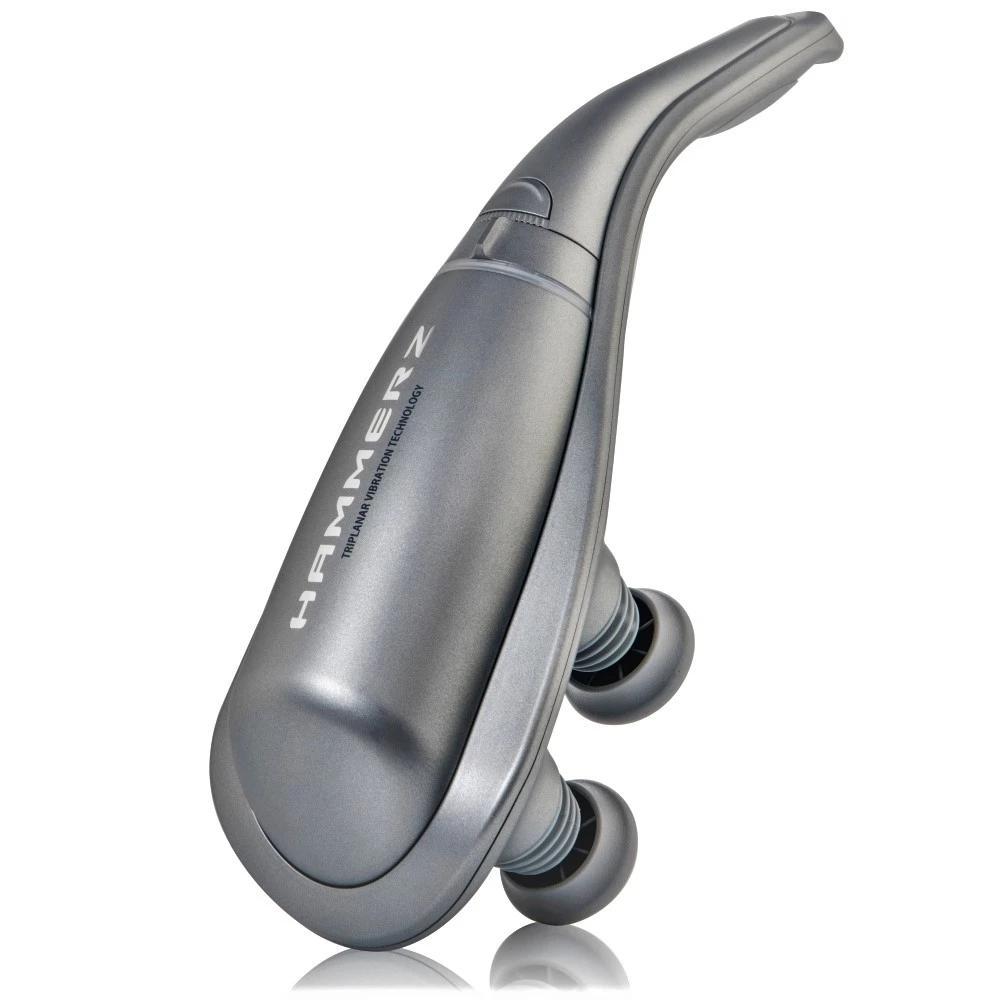
Hammerz Massage Device
A handheld massage device with interchangeable heads. Review its controls, instructions and suitability before choosing.
View product details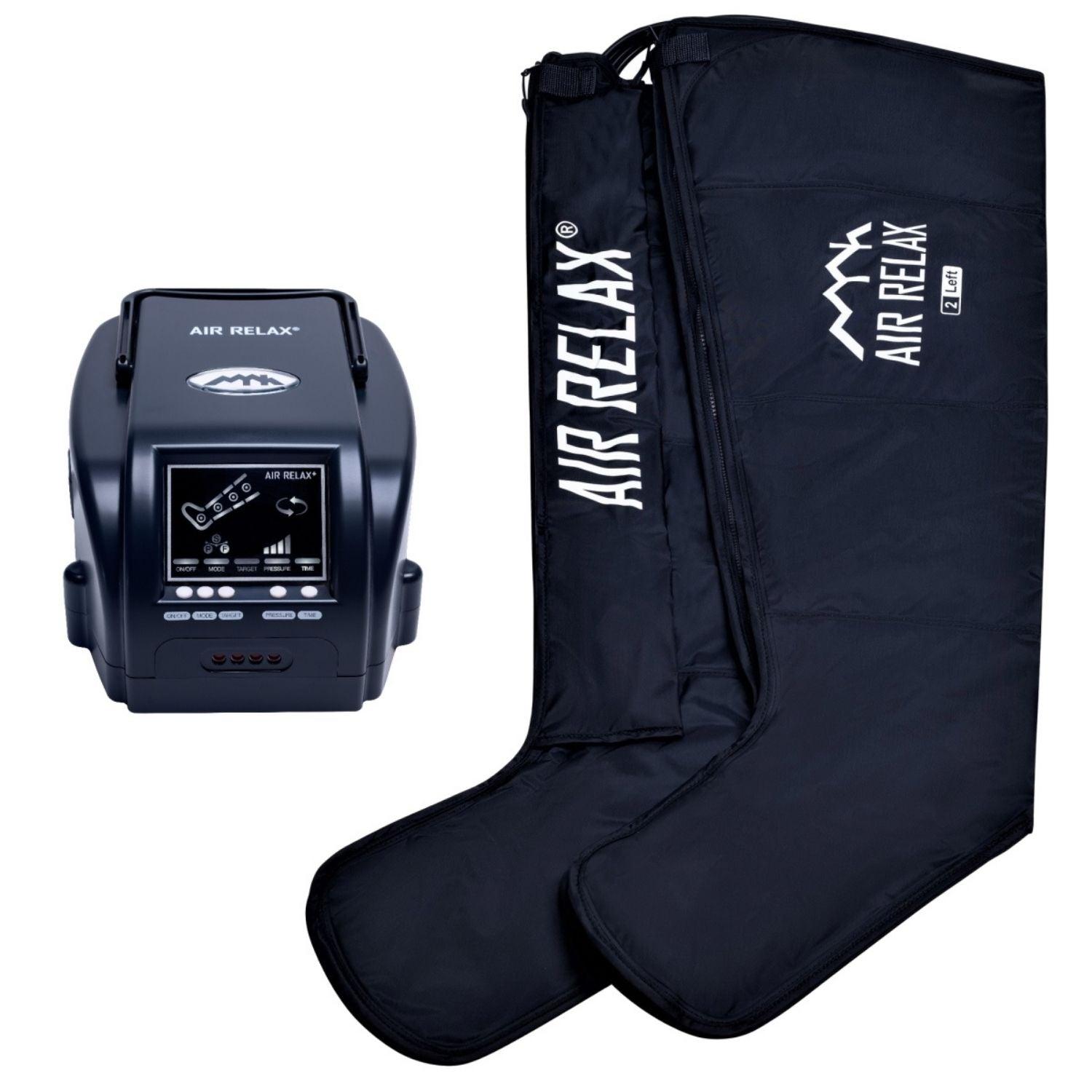
Air Relax Plus AR-3.0 Leg System
A leg-compression system with sleeve-size options. Compare fit, included equipment and use instructions in the Shop.
View product details