Research & Evidence
Multiple Musculoskeletal Conditions and Quality of Life

For your understanding.
This article is for general education and is not medical advice. It does not replace an individual assessment or guidance from a qualified healthcare professional.
Living with several muscle, bone or joint problems may affect more than one painful body part. A 2026 study in Singapore found that greater reported musculoskeletal burden was associated with poorer health measures. The study did not test a treatment or show that counting conditions predicts one individual's future.
The important question is whether looking at one diagnosis at a time misses how symptoms combine in daily life. That is a useful care discussion, even while the research findings need careful interpretation.
What musculoskeletal burden included
The Scientific Reports paper by Ge and Yap, published August 22, 2026, analyzed 1,941 community-dwelling adults in central Singapore. The measure included pain symptoms as well as diagnosed disorders; it was broader than a count of confirmed diagnoses.
Participants were grouped as having no condition, one condition or multiple conditions, defined as two or more. The study examined physical function, depressive symptoms, health-related quality of life and self-rated health at two waves about a year apart.
What remained after accounting for the starting point
More reported conditions were associated with poorer outcomes at both waves. The one-year analysis became more selective after the researchers accounted for each person's baseline level of the same outcome.
Associations remained for quality of life and self-rated health. The graded physical-function association was attenuated, while the depression association remained only in the multiple-condition group. It would therefore be inaccurate to summarize the paper as showing that every additional condition caused all four outcomes to deteriorate over the next year.
Why baseline adjustment matters
Imagine comparing two groups at follow-up when one group already had more difficulty at the start. A difference a year later may partly reflect that starting difference. Accounting for baseline outcomes asks a narrower question about the later result.
It still does not remove every alternative explanation. Symptoms, other illnesses, social circumstances, access to care and measurement choices can influence what is reported and how people rate their health. Statistical adjustment improves a comparison; it does not turn an observational study into a randomized trial.
Condition count does not measure the whole experience
Two mild symptoms and two disabling disorders can share the same count. Severity, duration, mobility, work demands and available support may be very different. The study's categories should not become a score used to judge whether someone's pain is important.
The World Health Organization's musculoskeletal-health overview describes effects on movement, dexterity and participation across a wide range of conditions. That wider view helps explain why a clinical conversation may need to address function as well as a diagnostic label.
What the paper cannot tell us about treatment
No exercise program, rehabilitation approach, medication, supplement, device or wellness service was tested. The findings cannot establish that one intervention improves all outcomes or that integrated care is more effective than a particular alternative. Those are questions for intervention studies.
The Singapore population, broad symptom-based measure and one-year follow-up also limit how confidently the results can be generalized elsewhere. A cohort result is a starting point for research and discussion, not a universal care pathway.
Bring the combined picture to a clinical visit
If symptoms persist, worsen or interfere with everyday activity, useful information to bring includes:
- All affected areas, when symptoms began and how they overlap.
- Effects on walking, stairs, sleep, work and activities you value.
- Changes in strength, balance, falls or confidence with movement.
- Current treatments, what has helped and any adverse effects.
- The activity or task you most want to make manageable again.
The right assessment depends on symptoms and medical history. A product should not be used to postpone evaluation of worsening pain, weakness or loss of function.
For separate educational context, see workout recovery and persistent symptoms and healthy aging after 40. Neither article is a treatment derived from this cohort. The practical lesson is to describe the combined effect on your life so that care can address more than the single most visible complaint.
Your next step
Compare comfort-focused recovery equipment.
Browse compression and massage devices in the Allura Shop, then review their instructions and suitability with your existing care in mind.
This observational study did not test the equipment, which does not replace assessment of ongoing pain or mobility changes.
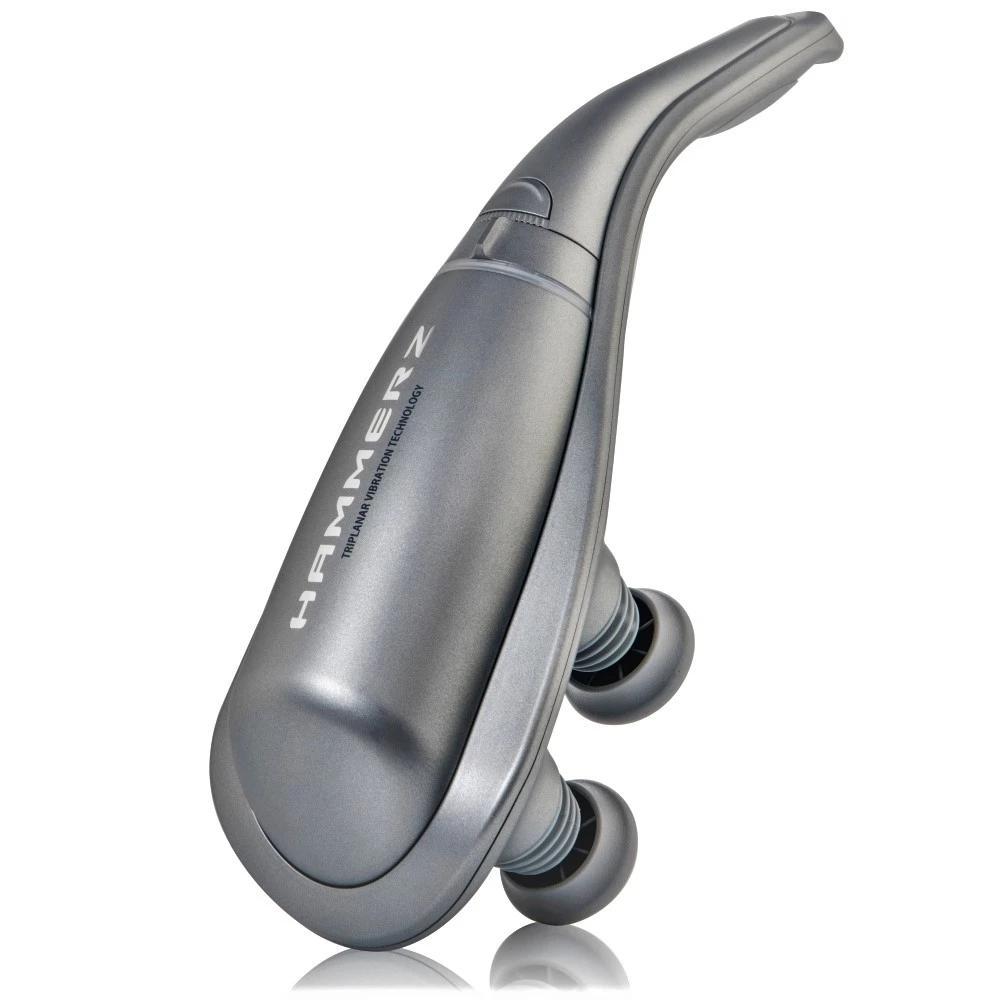
Hammerz Massage Device
A handheld massage device with interchangeable heads. Review its controls, instructions and suitability before choosing.
View product details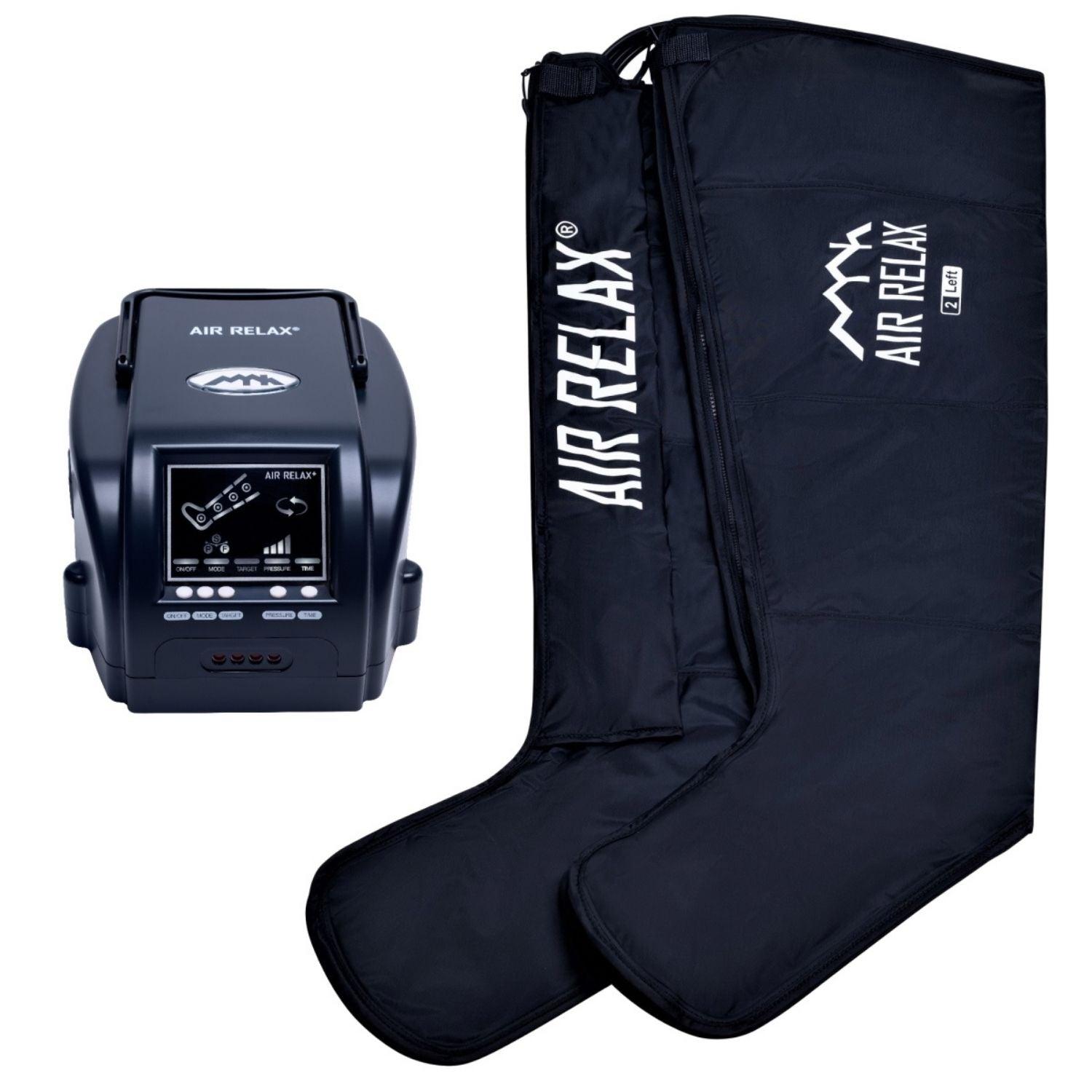
Air Relax Plus AR-3.0 Leg System
A leg-compression system with sleeve-size options. Compare fit, included equipment and use instructions in the Shop.
View product details