

Peptides: The Science Behind Smarter Healing
PEPTIDES
Peptides are short chains of amino acids that act as biological messengers, guiding how cells communicate, repair, and regenerate. At Allura Health & Wellness, our peptide-focused protocols are designed to support the body’s natural signaling pathways, helping optimize function at the cellular level.
Our approach emphasizes longevity, metabolic efficiency, tissue repair, cognitive performance, sleep quality, skin health, and hormone balance. When used thoughtfully within a structured protocol, peptides may help support energy levels, recovery, resilience, and healthy aging.
All peptide-based services at Allura begin with a professional consultation to determine appropriateness, alignment with individual goals, and protocol guidance.
Featured Peptides & Areas of Focus
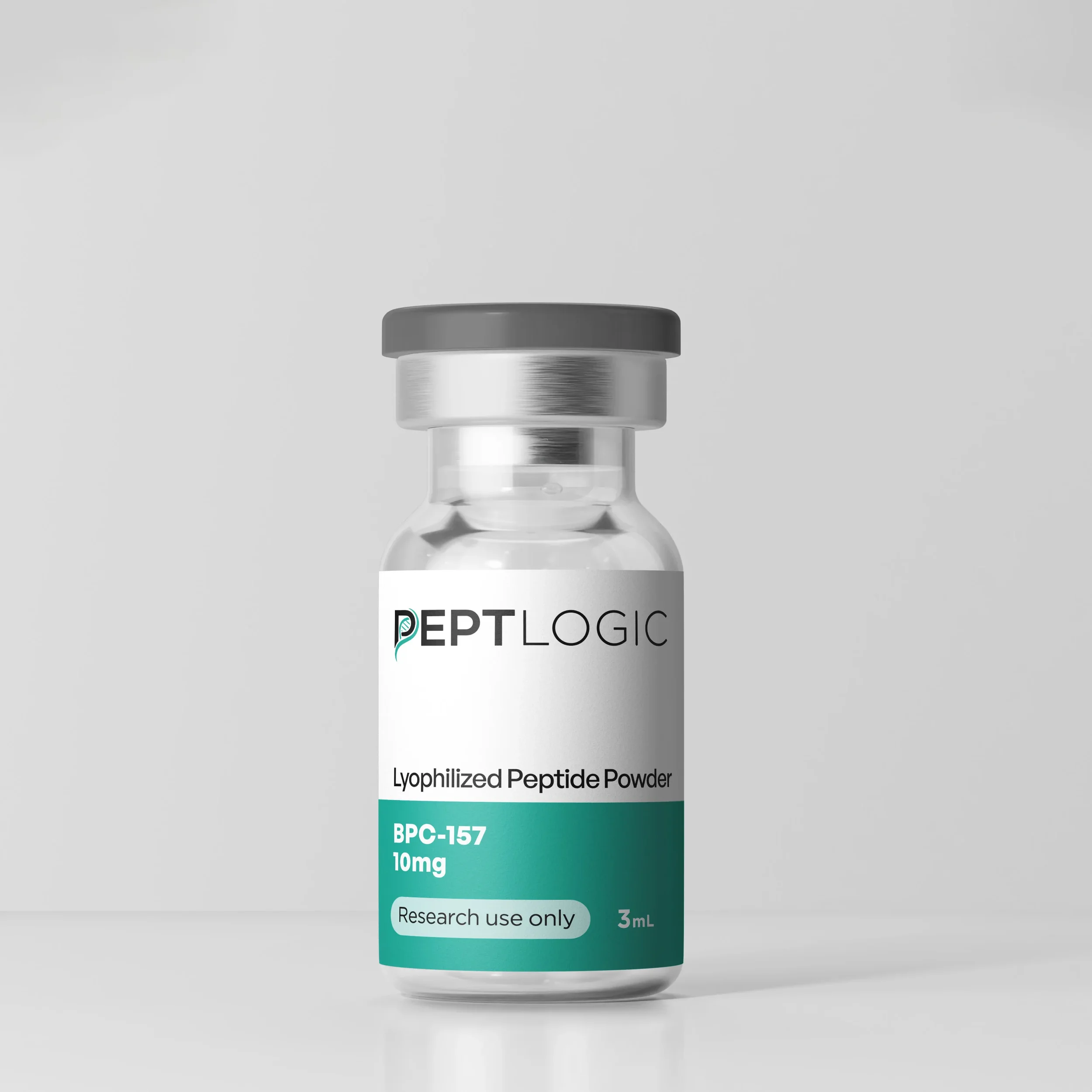
BPC-157
A naturally occurring peptide studied for its role in supporting tissue repair and recovery. Commonly explored for gut integrity, digestive balance, and overall inflammatory response modulation.
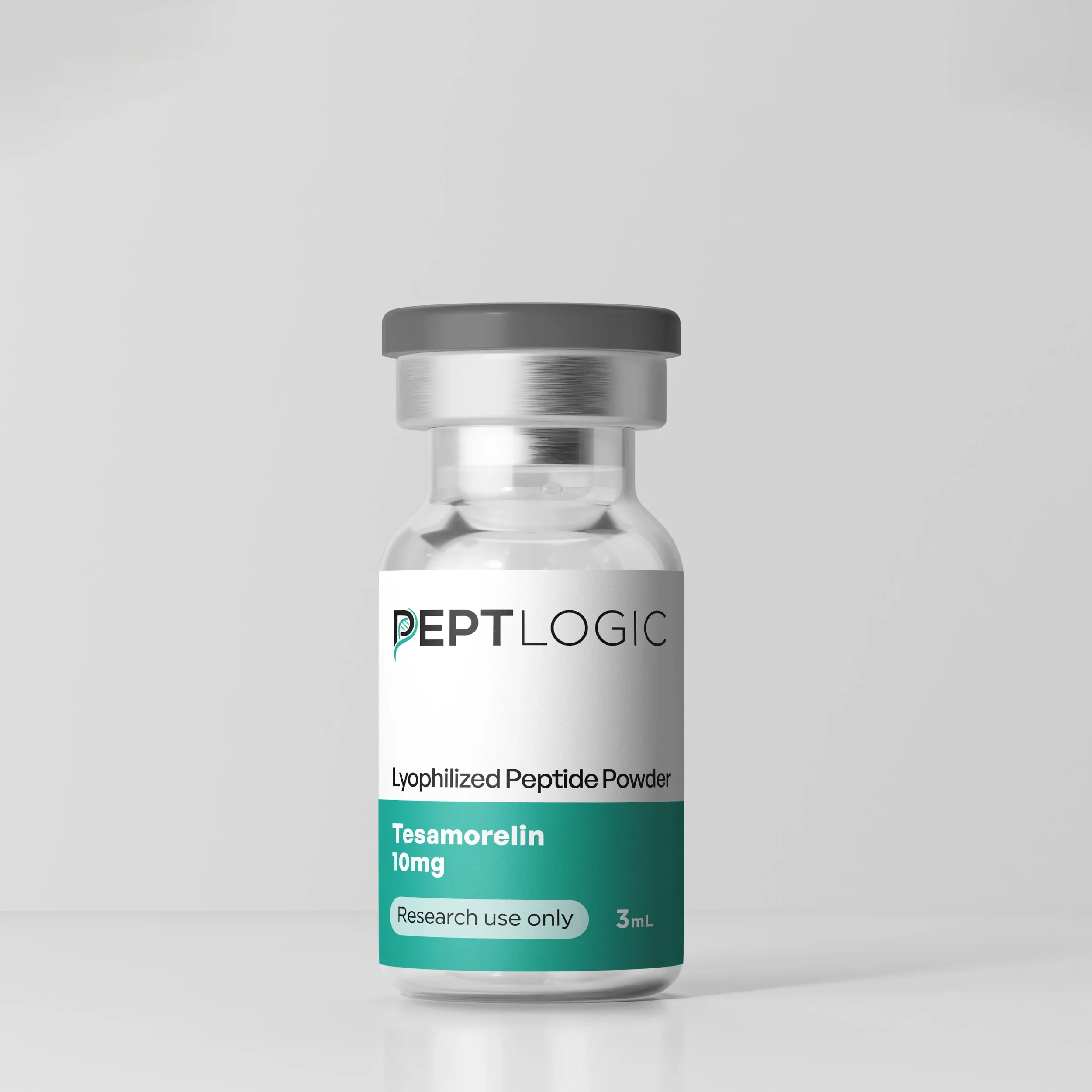
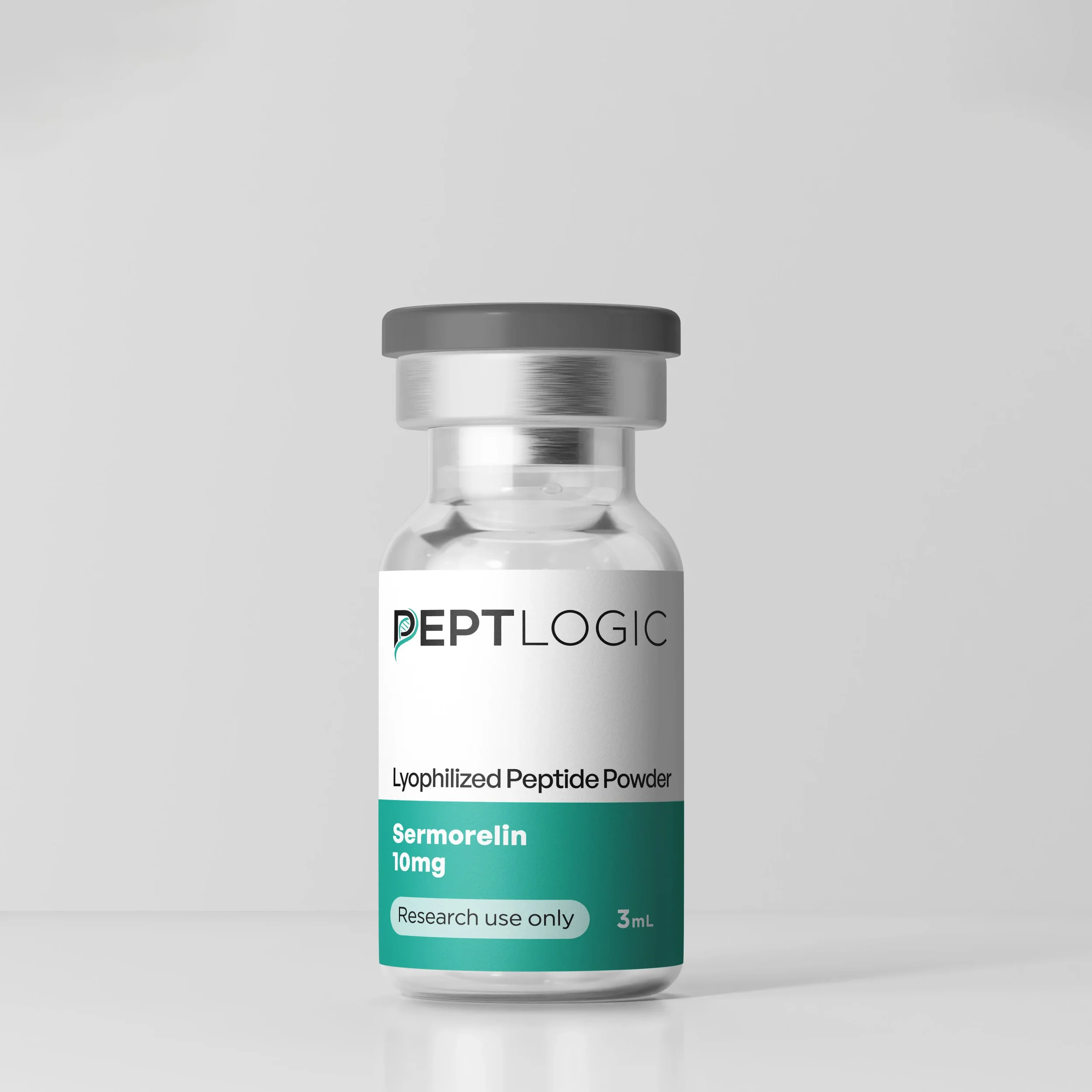
Tesamorelin | Sermorelin
Peptides associated with stimulating the body’s natural growth hormone signaling. Tesamorelin is often referenced in protocols focused on body composition and visceral fat support, while Sermorelin is commonly explored for vitality, recovery, and age-related hormonal balance.
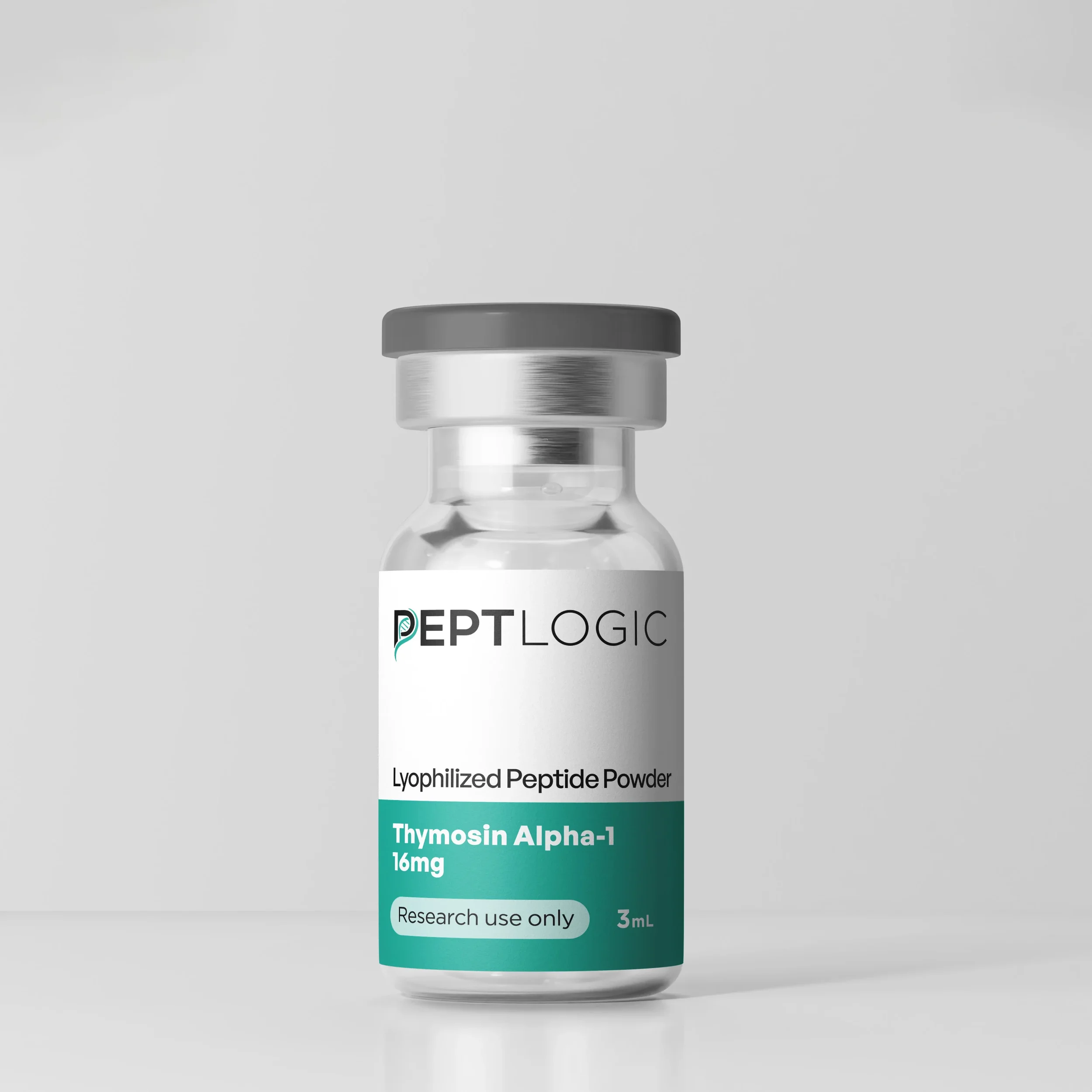
Thymosin Alpha-1
A peptide involved in immune system signaling, often studied for its role in supporting immune resilience and regulatory balance.
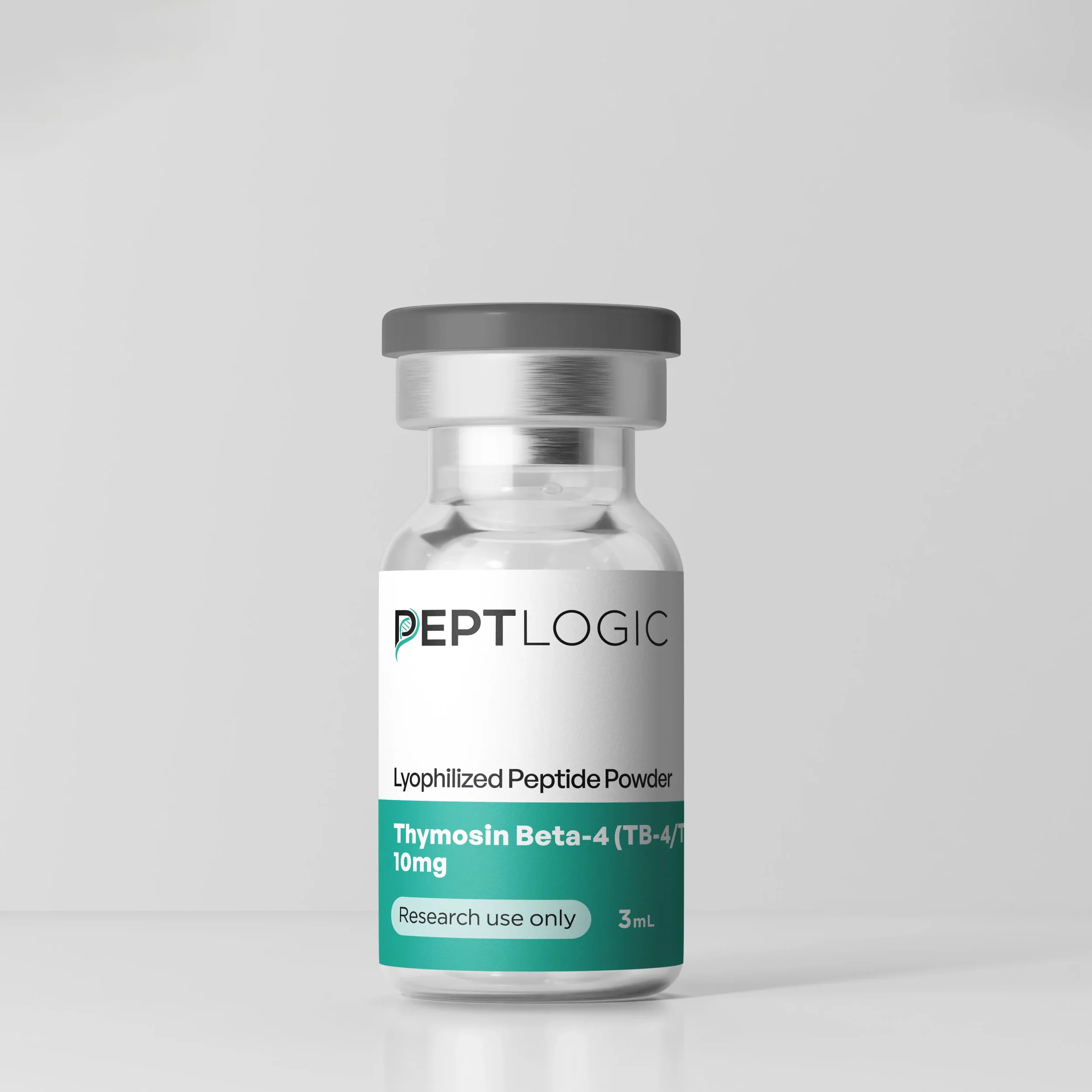
Thymosin Beta-4
A regenerative peptide associated with cellular migration and tissue repair processes, commonly explored in recovery-focused protocols.
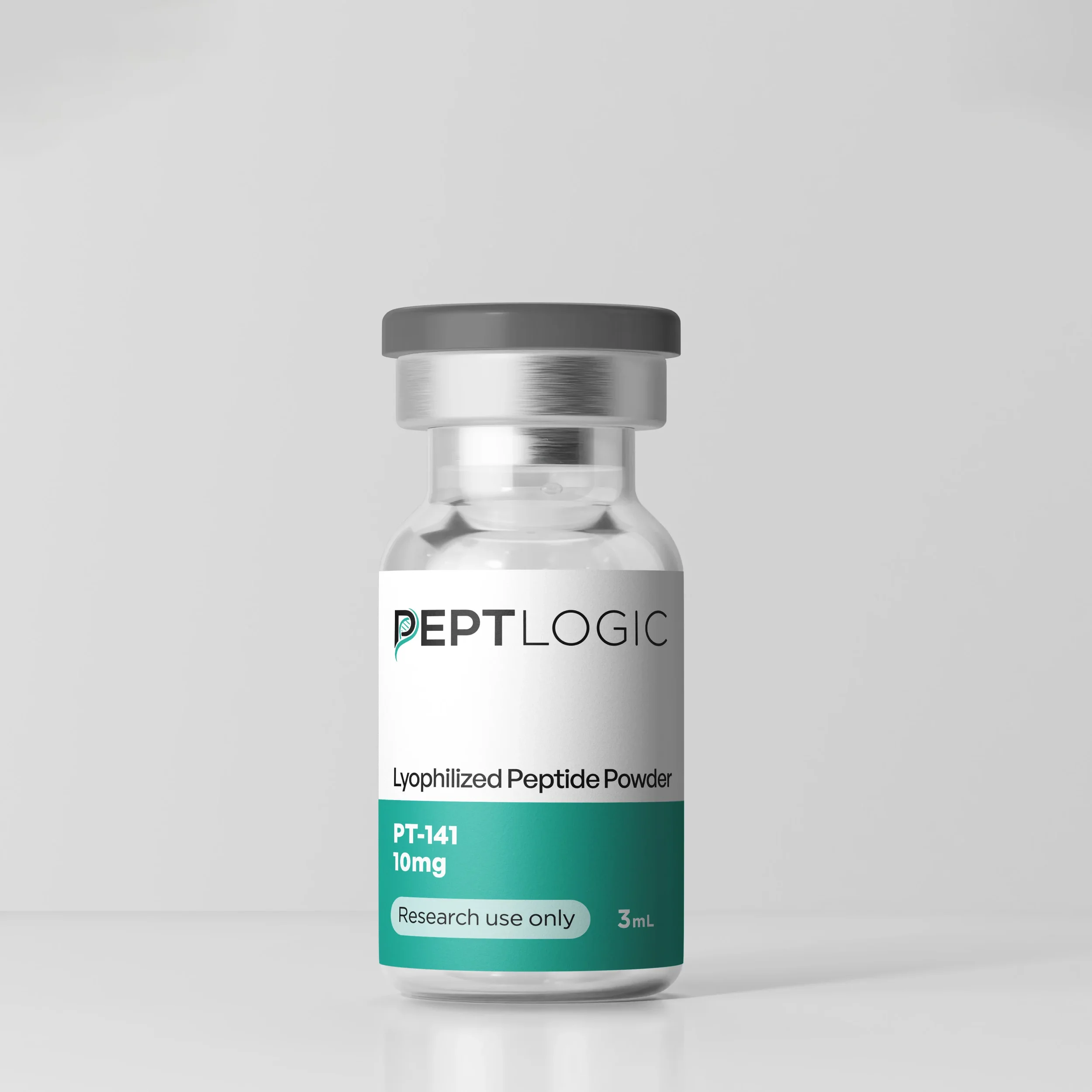
PT-141
A neuroactive peptide that works through the central nervous system and is studied for its role in supporting sexual wellness and arousal pathways.
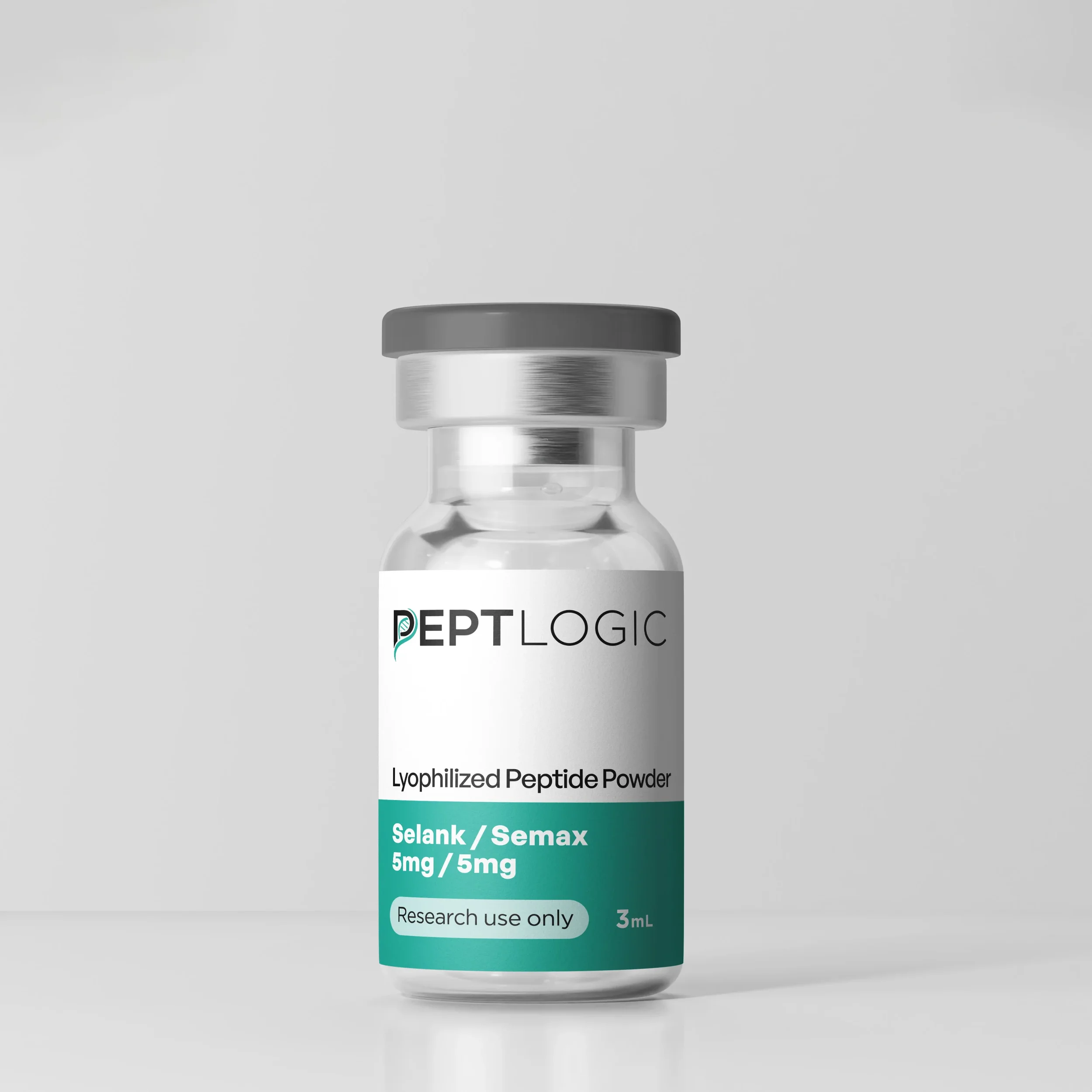
SELANK + SEMAX
A complementary nootropic peptide pair explored for cognitive balance, mental clarity, learning processes, and neuro-signaling pathways.
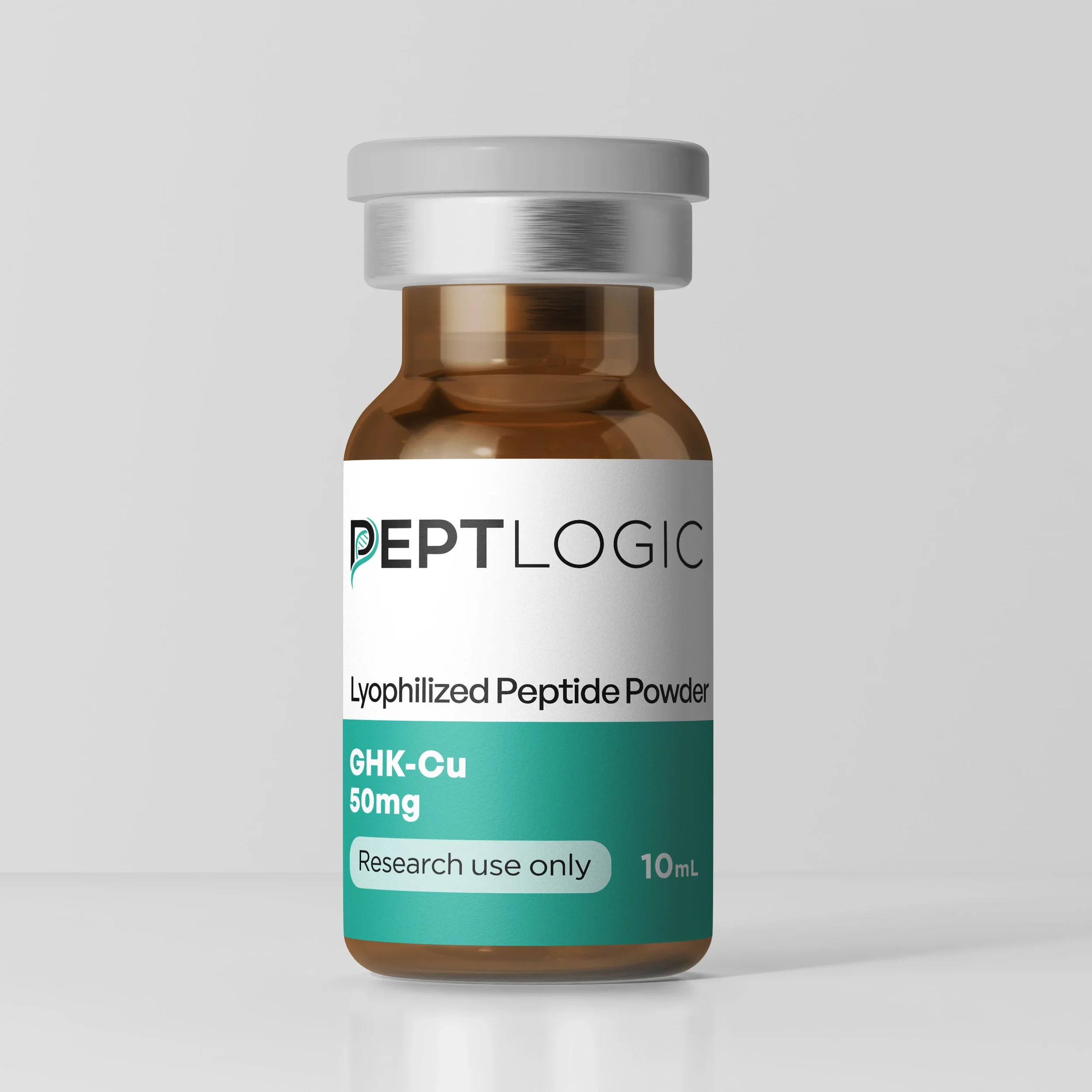
GHK-Cu (Copper Peptide)
A well-studied peptide complex known for its role in skin health, collagen production, tissue repair, and aesthetic rejuvenation.
Organ-Specific Peptides (Oral)
Our organ-specific oral peptides are designed to support targeted cellular communication across key systems of the body, including the nervous, endocrine, cardiovascular, digestive, respiratory, musculoskeletal, and urinary systems.
Each formulation is developed to align with a specific organ or system—such as the brain, heart, liver, or kidneys—with the goal of promoting balance, cellular renewal, and functional optimization as part of a broader wellness strategy.
Important Notice
Peptide services and information provided by Allura Health & Wellness are intended for educational and wellness-guided use. They are not intended to diagnose, treat, cure, or prevent disease. Individual results may vary, and all protocols are guided through consultation.
Allura Health & Wellness
Where science meets intentional care.


More Science
What is Peptides?
We have the ability…
Did you know…
The therapy…
MoA…
Peptides are short chains of amino acids, the building blocks of proteins. Typically, a peptide consists of anywhere from 2 to 50 amino acids linked together by peptide bonds. Due to their smaller size compared to full proteins, peptides often have more targeted and specific functions in the body. These biomolecules occur naturally in living organisms, where they play crucial roles in biological processes like signaling, healing, and immune function. Their applications are broad, ranging from skincare and anti-aging treatments to muscle growth, fat loss, and enhancing cognitive or immune functions. Because of their versatility and relatively low toxicity, peptides are used in medicine, wellness, and performance enhancement.
We have the ability to recreate these naturally occurring signaling molecules to provide therapeutic benefit. Peptides administered therapeutically are an amazing way of supporting the body’s innate healing abilities, as they mimic the body’s natural pathways. Currently, there are over 60 peptide medications approved by the U.S. Federal Drug Administration, in addition to hundreds more involved in preclinical development – these numbers continue to grow.
Did you know most humans start to decrease production of signaling (peptide) molecules by around age 30? This is also the time fertility declines, marking the end of our developmental years. Intervention is important to combat the biological consequences of aging, characterized by a decline in cellular function. Peptides interfere with the aging process by directing cells to continue functioning the way they were intended.
Peptide therapy has been indicated for therapeutic use affecting several body systems, organs, and cellular activities. It is a promising supportive treatment of both chronic and acute medical conditions, and potentially the prevention of them. Furthermore, peptide therapy is becoming increasingly popular in the world of sports performance, body composition enhancement, and health optimization. As always, ongoing research continues to uncover more about this fascinating form of medicine.
The mechanism of action of peptides depends on their specific structure, function, and target in the body. In general, peptides work by binding to specific receptors on the surface of cells, initiating a signaling cascade that alters cellular behavior or function.
Reconnect with your body and mind as you escape the noise of everyday life.Book Your Consultation
Not tired of peptides and want more? We have more….
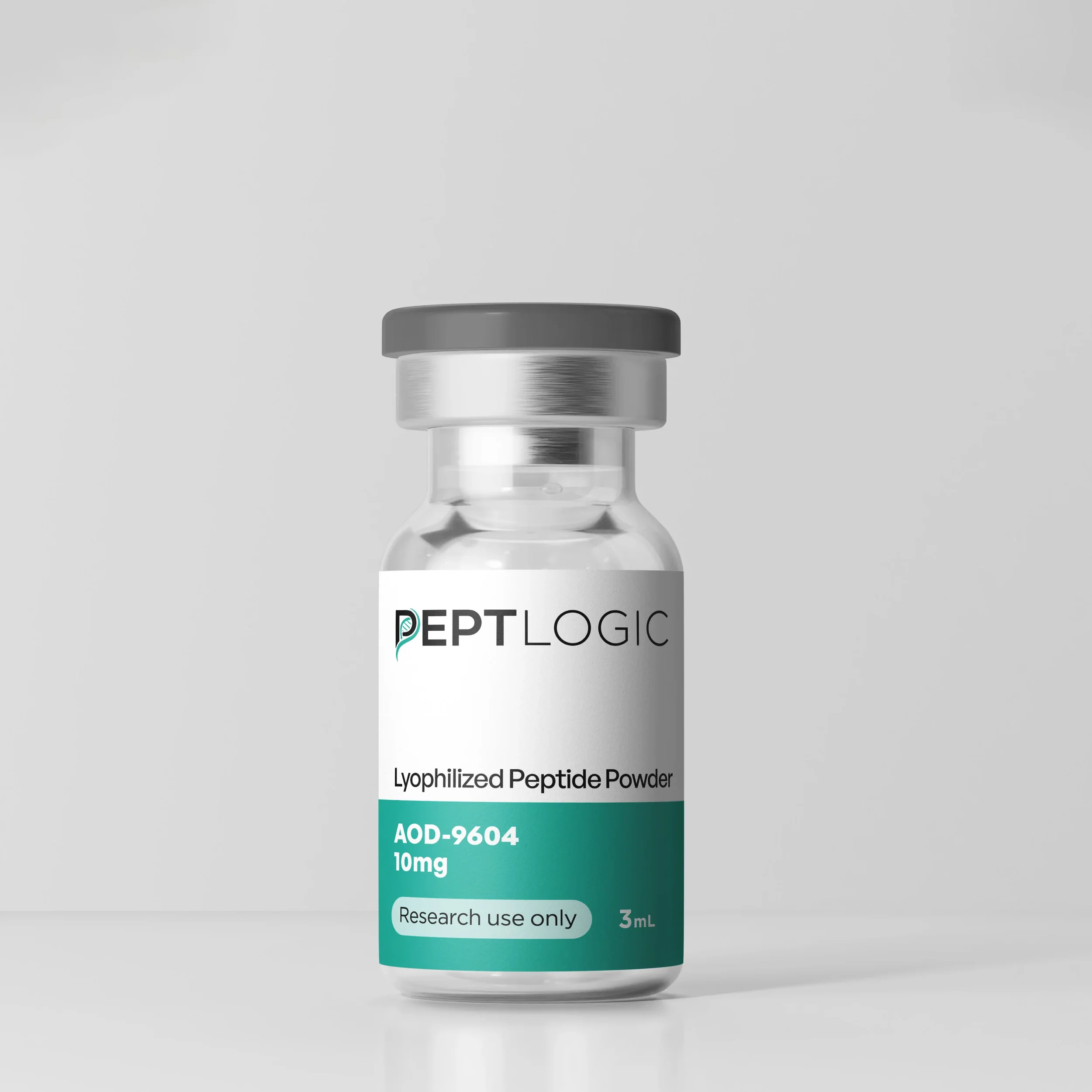
AOD-9604Reduce & Protect
AOD-9604 is a peptide fragment derived from human growth hormone (HGH) that is widely referenced in scientific research focused on fat-cell signaling pathways.
In investigational and laboratory settings, AOD-9604 has been studied for its ability to interact directly with adipose (fat) tissue, supporting research into lipolysis signaling (fat breakdown) and lipogenesis inhibition (reduced formation of new fat cells). Unlike full-length HGH, this peptide fragment allows researchers to explore targeted metabolic signaling without activating growth-hormone–related muscle or systemic effects.
Due to its selective structure, AOD-9604 is commonly explored in body-composition and metabolic research models, particularly those examining cellular communication within fat tissue while maintaining insulin and glucose signaling neutrality.
This product is provided for research and educational use only and is not intended for human consumption or therapeutic application.
CJC-1295 / Ipamorelin (Blend)Amplify & Synchronize
CJC-1295 / Ipamorelin is a peptide combination widely referenced in scientific research focused on growth-hormone–related signaling pathways and their coordination within the endocrine system.
In investigational and laboratory settings, this blend has been studied for its ability to support pulsatile growth hormone signaling, combining CJC-1295’s extended GHRH activity with Ipamorelin’s selective ghrelin-mimetic action. Together, they allow researchers to explore synchronized hormonal signaling without excessive stimulation of cortisol or prolactin pathways.
Due to their complementary mechanisms, the CJC-1295 / Ipamorelin blend is commonly explored in recovery, body-composition, and metabolic research models, particularly those examining endocrine communication and growth-hormone rhythm regulation.
This product is provided for research and educational use only and is not intended for human consumption or therapeutic application.
CJC-1295 (Solo)Extend & Signal
CJC-1295 is a synthetic growth hormone–releasing hormone (GHRH) analog that is widely referenced in scientific research focused on sustained hormonal signaling and IGF-1 pathway activity.
In investigational and laboratory settings, CJC-1295 has been studied for its ability to extend the duration of endogenous growth-hormone signaling by binding to circulating proteins, allowing researchers to explore prolonged GHRH activity over time.
Due to its signaling longevity, CJC-1295 is commonly explored in endocrine, metabolic, and recovery-focused research models, particularly those examining growth-hormone dynamics and cellular communication related to tissue maintenance and adaptation.
This product is provided for research and educational use only and is not intended for human consumption or therapeutic application.
MOTS-CEnergize & Regulate
MOTS-C is a mitochondrial-derived peptide encoded by mitochondrial DNA and is widely referenced in scientific research focused on cellular energy regulation and metabolic signaling pathways.
In investigational and laboratory settings, MOTS-C has been studied for its role in influencing mitochondrial communication, glucose utilization pathways, and adaptive metabolic responses at the cellular level.
Due to its origin and signaling role, MOTS-C is commonly explored in metabolic health, longevity, and energy-regulation research models, particularly those examining how cells respond to metabolic stress and maintain energetic balance.
This product is provided for research and educational use only and is not intended for human consumption or therapeutic application.

PEPTIDES
Peptides are short chains of amino acids that act as biological messengers, guiding how cells communicate, repair, and regenerate. At Allura Health & Wellness, our peptide-focused protocols are designed to support the body’s natural signaling pathways, helping optimize function at the cellular level.
Our approach emphasizes longevity, metabolic efficiency, tissue repair, cognitive performance, sleep quality, skin health, and hormone balance. When used thoughtfully within a structured protocol, peptides may help support energy levels, recovery, resilience, and healthy aging.
All peptide-based services at Allura begin with a professional consultation to determine appropriateness, alignment with individual goals, and protocol guidance.
Featured Peptides & Areas of Focus
BPC-157
A naturally occurring peptide studied for its role in supporting tissue repair and recovery. Commonly explored for gut integrity, digestive balance, and overall inflammatory response modulation.
Tesamorelin | Sermorelin
Peptides associated with stimulating the body’s natural growth hormone signaling. Tesamorelin is often referenced in protocols focused on body composition and visceral fat support, while Sermorelin is commonly explored for vitality, recovery, and age-related hormonal balance.
Thymosin Alpha-1
A peptide involved in immune system signaling, often studied for its role in supporting immune resilience and regulatory balance.
Thymosin Beta-4
A regenerative peptide associated with cellular migration and tissue repair processes, commonly explored in recovery-focused protocols.
PT-141
A neuroactive peptide that works through the central nervous system and is studied for its role in supporting sexual wellness and arousal pathways.
Dihexa
A nootropic peptide explored for cognitive support, including memory, learning capacity, and neural connectivity.
GHK-Cu (Copper Peptide)
A well-studied peptide complex known for its role in skin health, collagen production, tissue repair, and aesthetic rejuvenation.
Organ-Specific Peptides (Oral)
Our organ-specific oral peptides are designed to support targeted cellular communication across key systems of the body, including the nervous, endocrine, cardiovascular, digestive, respiratory, musculoskeletal, and urinary systems.
Each formulation is developed to align with a specific organ or system—such as the brain, heart, liver, or kidneys—with the goal of promoting balance, cellular renewal, and functional optimization as part of a broader wellness strategy.
Important Notice
Peptide services and information provided by Allura Health & Wellness are intended for educational and wellness-guided use. They are not intended to diagnose, treat, cure, or prevent disease. Individual results may vary, and all protocols are guided through consultation.
Allura Health & Wellness
Where science meets intentional care.